
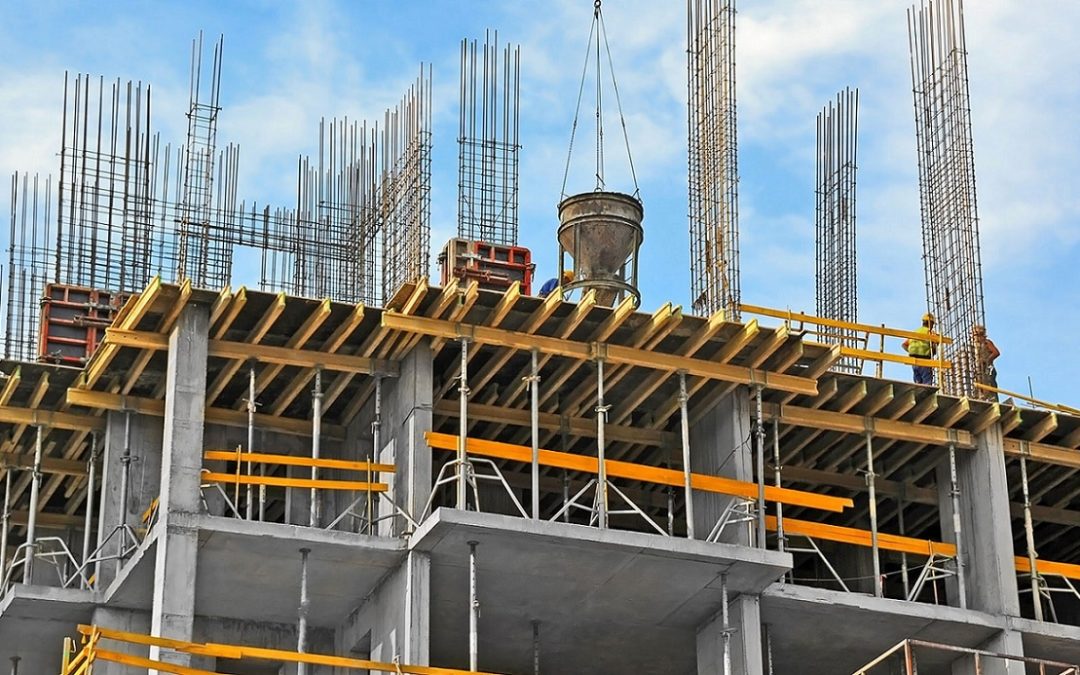
Formwork
Concrete is the basis of our modern world. Playing an unparalleled role in infrastructure and building, concrete is the most ubiquitous synthetic material in the world. The main property that makes concrete such a useful building material is how cheap it is. The four main ingredients are relatively easy to get in large quantities, being sand, coarse aggregate or gravel, water, and cement.
Cement is the most complex part of the concrete mix and consists of a ground and baked mixture of limestone, chalk, clay, silica sand, iron ore, and a range of other substances, usually mixed together in different quantities to achieve different properties. You see, cement and concrete are not the same thing. The goal of all cement mixtures is to bind the other ingredients of concrete together.
The specific recipes for concrete will also vary depending on its specific use. Different amounts of water tend to change the flow of concrete before it sets, something which is controlled depending on the task being performed. If a slab is being poured and the formwork is roughly all on the same level, a softer mixture with more water will help the concrete flow into every corner of the formwork and easily be levelled by workers with hand tools. If, on the other hand, pillars or other vertical or slanted formwork is being filled, a less watery mixture will be preferred, as this will resist gravity better and set in positions that are not horizontally level.
Too much water, however, risks diluting the cement content, so a careful balance must be struck between workability and the strength of the final product. One common misconception about concrete is that it needs to dry to become hard. This is not what happens though – the water in the mixture actually reacts chemically with the ingredients of cement to harden into the strong concrete we know. This happens even if the mixture is constantly wet, since water is actually a required part of the reaction.
Dried concrete is very strong under compression, but rather weak under tension. It is for this reason that steel bars are included as part of formwork, to become embedded in the concrete and provide reinforcement. The steel bars excel under tension, and take any tension forces that exist in the structure, preventing the concrete from breaking apart and failing under tension.
Nhleko Scaffolding and Formwork provides turn-key concrete formwork and pouring solutions. Our team can handle any and all stages of the process, along with many other construction services. Read more about our services or get in touch for more information.