
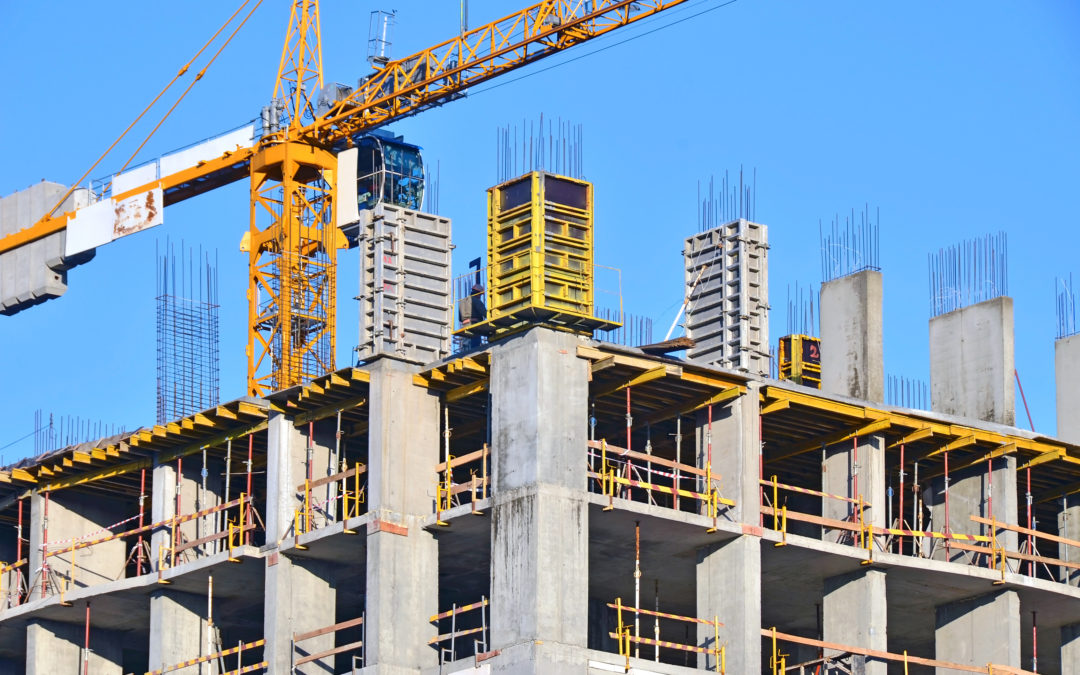
What are the Advantages of Formwork?
Although many things have changed in the construction industry over the past few years, formwork has remained the same as it’s efficient and improves structural integrity, saves time, and money. This article explains its purpose and benefits of it in modern-day construction, and why it is preferred to other alternatives.
What is Construction-Related Formwork?
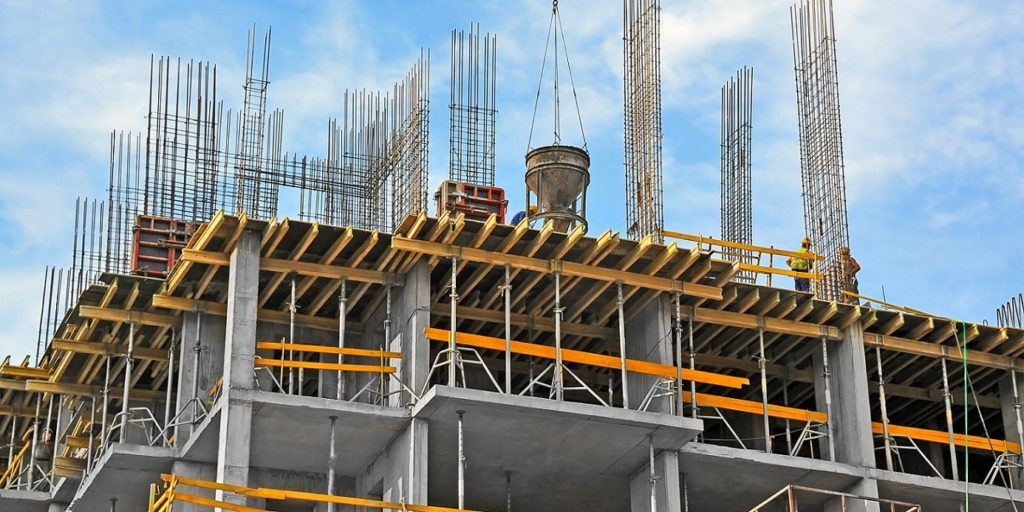
It is the term used for the temporary and permanent application moulds that keep wet concrete in a particular shape until it has dried. The process has long been in use across the world, enabling the construction of buildings in various shapes and sizes.
The section that is in contact with the wet concrete and helps to contain the wet mix until it has dried, is called a shutter or a form. If correctly designed and used, the form helps to eliminate air bubbles or pockets forming in the concrete while it is being poured. These pockets affect the aesthetics and integrity of the structure and require filling or patching as the mix is poured, and ultimately adds to the construction time.
Why is Correct Formwork Important in Construction?
It makes it easier, more practical, faster and cheaper to build concrete structures. Without it, building a multi-storey building would entail using only conventional bricks. This would be impractical, not cost-effective, not as sturdy, and would take much longer.
Using conventional bricks in the straightforward construction of such a building would be a rather complex and labour-intensive project. The design aspect to ensure sturdiness, safety and longevity of the structure would also have to be exceptional.
Why is the Design and Strength of the Formwork so Important in Construction?
It must be designed and built to be able to hold the wet mass without moving, as this could affect the uniformity of the dried shape. It’s imperative that the shape is precise for accurate building. In large projects, even 100 mm can make a difference in the overall structure.
Wet concrete places enormous pressure on the formwork. If the form cannot handle the pressure, it will deform, giving space for leakage and deforming of the dried shape. It might be necessary to rebuild the section if there is leakage. If the pressure is far too much to contain because of improper formwork, it can lead to breakage of the form and uncontrollable flow of the concrete.
Apart from the mess that must be cleaned up, the cost of the concrete, the rebuilding process and the hazard that such an incident can cause must be considered. It makes sense to invest in proper formwork to prevent such damage and financial loss. Improper forms cause financial loss, repair time and delay in project completion. All these factors can cut deep into the profitability of a project.
Two Important Types of Formwork in Construction
Although several types are available, inclusive of timber forms, a quick look at two popular and important types helps to get an understanding of our services. The first is engineered formwork. This entails the design and building of forms to contain concrete. This is done with aluminium and other types of metals. These are cost-effective as the frames are easy to assemble and have exceptional strength. The frames are re-usable, which helps to save costs. The shaping system is inexpensive and simple in design. With the frames pre-constructed, it helps to save time while having the benefit of consistency, as well as quality assurance.
The second type entails the usage of insulated polystyrene foam to provide insulation, fire resistance, and acoustic insulation. It is a sustainable and cost-effective way to create the necessary frames for large building projects.
Read more about Types of Formwork here
Recap on Benefits of Formwork
Whether timber, engineered or concrete frames, these forms provide essential frames for containing concrete mixes. They help to reduce the time it takes to build, reduce the cost of building and improve safety. In addition, it’s easier to plan the building process, less labour is required, and more consistency can be achieved.
To Conclude
Whether you plan to build a house, apartment building or shopping centre, formwork will be an integral part of the project’s success. Reach out to discuss your particular requirements and work with one of the leading scaffolding and formwork providers in Africa.