
Understanding the Role of Concrete Shuttering in Large-Scale Construction Projects
The skyline is dotted with monolithic structures that would not have been possible without formwork. Bridges ferrying vehicles from one point to another, high-rise office buildings, and residential complexes require innovative architectural and construction techniques that use concrete shuttering to provide structural integrity without losing visual appeal. The leaders in modular shuttering solutions, Nhleko Scaffolding & Formwork, would like to share how understanding the significance of formwork can help project managers, engineers, and contractors make informed decisions when planning builds.
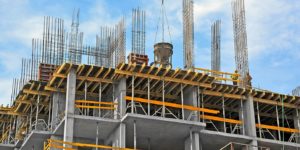
The Importance of Concrete Shuttering
Fundamental building requirements need to be considered in every construction project. Concrete has proven its efficacy over bricks, specifically for large-scale projects, due to its compressive strength and ability to be shaped, giving buildings a more modern aesthetic. What concrete shuttering does is provide the necessary support and shape to wet concrete until it gains sufficient strength to stand independently. Formwork moulds are typically made from timber, steel, aluminium, or plastic, depending on the project requirements. The quality of the shuttering impacts the final structure’s durability, appearance, and overall performance.
Developing Intricate Infrastructure
The growing need for critical infrastructure to be delivered at a quicker pace means that project managers need to adopt a thoughtfully planned formwork approach to accelerate construction progress. By facilitating rapid pours and faster curing, concrete shuttering speeds up construction. An added advantage is that it is engineered to cut down on material waste, significantly lowering operational costs. In the context of modern construction practices, we at Nhleko Scaffolding & Formwork feel it is prudent to explain the different types of formwork available.
- Timber Shuttering
This traditional formwork is readily available, lightweight, and easy to customise on-site. The biggest concern with using timber is that if it is not properly cured, moisture can seep in, compromising the wet concrete’s structural strength. With a shorter lifespan than other materials, it may need to be replaced frequently, which isn’t ideal for large-scale construction.
- Aluminium Formwork
Aluminium offers a balance between ease of handling and durability and is commonly used in high-rise building construction, such as office complexes, where speed and efficiency are crucial. The reusability of this formwork is extended due to its corrosion-resistant properties.
- Plastic Shuttering
Plastic is gaining popularity due to its lightweight nature, reusability, and moisture resistance. It is especially useful for smaller projects or in areas where traditional materials may degrade quickly. Though not as strong as steel or aluminium, this formwork is an economical choice for repetitive use.
- Steel Formwork
This formwork is widely used in large-scale projects due to its strength, durability, and ability to create smooth concrete finishes. It can be reused multiple times, reducing long-term costs. Additionally, steel shuttering offers excellent load-bearing capacity, making it ideal for complex structures.
Speeding Up Construction and Cutting Costs with Engineered Formwork
Modern building sites are increasingly turning to engineered formwork solutions as they offer a combination of speed and ease, revolutionising how concrete is poured. Manufactured from high-tensile steel or aluminium, these materials deliver an impressive strength-to-weight ratio. The durability and reusability of engineered formwork are major advantages, and as the components are prefabricated and easily assembled and dismantled on site, it significantly reduces both manpower and project timelines. Engineered formwork systems offer you:
- Structural Stability: Properly designed and installed shuttering provides the necessary support to concrete, preventing deformations and ensuring a strong, stable structure. Without adequate formwork, concrete may sag, crack, or lose its intended shape.
- Improved Construction Efficiency: Shuttering speeds up construction by allowing workers to pour and mould concrete on-site. The design of modular formwork makes disassembly of cured concrete sections simpler and allows for quicker assembly of similar sections that need to be poured, greatly reducing project costs and speeding up floor-to-ceiling construction.
- Surface Finish: The quality of shuttering directly influences the final appearance of the concrete. Well-maintained formwork results in smooth surfaces, reducing the need for additional finishing work, such as plastering.
- Reduced Material Waste: With more construction turning toward sustainable practices, engineered formwork should always be the preferred choice for large-scale builds. As our formwork is made from steel, not only will waste be minimised, but the shuttering can be reused for the next big construction project.
Innovative Solutions for Modern Builds
Concrete shuttering is an essential component of large-scale construction projects, influencing structural integrity. Choosing the right formwork material and following best practices can lead to safer, faster, and more cost-effective construction. As the industry continues to innovate, it allows us at Nhleko Scaffolding & Formwork to provide engineered formwork technology that further enhances the efficiency and sustainability of the urban skyline. Let us help you establish the foundations for a better tomorrow.